Fully Regulated by the Care Quality Commission
Bruxism

Bruxism

Bruxism is the medical term for grinding, clenching or gnashing your teeth. It can happen while you’re awake, often without you even noticing, or during sleep, when it’s usually far more forceful and harder to control. In my clinic I see a lot of patients who come in worried about jaw pain or headaches and have no idea that teeth grinding is behind it, so it’s a condition that’s under-recognised.

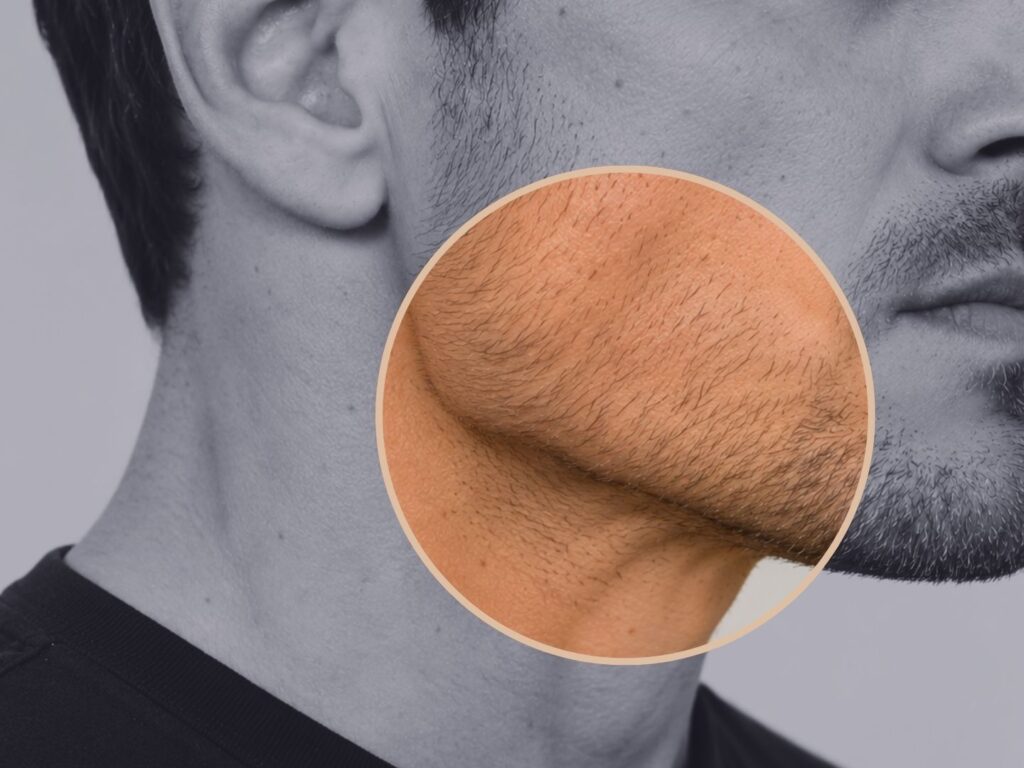
Left unmanaged, bruxism does more than wear down your teeth. Persistent grinding overworks the masseter, the main chewing muscle at the back of the jaw, and over time this muscle can bulk up in much the same way a bicep grows with repeated use. The result is a squarer, heavier looking jawline that many patients don’t connect to their grinding at all. Sleep-related grinding is also linked to snoring and, in some cases, obstructive sleep apnoea, so it’s worth taking seriously rather than putting up with.

4.9/5
Based on 300 reviews
Care Quality Commission
We are regulated by the Care Quality Commission
Bruxism
Our products are exclusively from trusted brands
BOTOX Cosmetic
Jump to:

What causes teeth grinding or bruxism?

There isn’t one single cause of bruxism, and in my experience it’s rarely down to just one thing. The main contributors are:

  • Stress and anxiety – by far the most common trigger I see in clinic. Grinding often increases during particularly stressful periods at work or at home
  • Genetics – sleep bruxism tends to run in families, so if a parent grinds their teeth, it’s worth keeping an eye on your own jaw
  • Bite and dental alignment – a misaligned bite can make grinding more likely
  • Lifestyle factors – high caffeine or alcohol intake, smoking, and recreational drug use are all associated with a higher likelihood of grinding
  • Certain medications – some antidepressants, particularly SSRIs, are known to cause or worsen bruxism as a side effect

Symptoms of bruxism

Because sleep bruxism happens while you’re unconscious, many patients only find out they grind when a partner mentions the noise, or when their dentist spots the wear on their teeth at a check-up. Signs and symptoms to look out for include:

  • Headaches, particularly on waking
  • Earache or a sense of fullness in the ears
  • Damaged, flattened or chipped teeth and worn enamel
  • A squarer, more prominent jawline
  • A tired, swollen or aching feeling in the face
  • Neck and shoulder pain
  • Disrupted or poor quality sleep
  • Jaw clicking, stiffness or difficulty opening the mouth fully

If several of these sound familiar, it’s worth having a proper assessment rather than assuming it’s just tension or a bad night’s sleep.

Our Consultations

Our consultations are in-depth and tailored to you, creating a bespoke treatment plan catering to all of your concerns.

Consultation

Treatments

Our consultations

Every patient who comes to me with suspected bruxism gets a thorough, unhurried consultation. I want to understand your symptoms, your stress levels, your sleep, and your dental history before we talk about treatment, because bruxism is rarely just a cosmetic issue. Where appropriate, I’ll also suggest you see your dentist to rule out significant dental damage, since that side of things sits outside what I treat.

Treatment for bruxism

The treatment I use most for bruxism is anti-wrinkle injections (Botox or Nuceiva) into the masseter muscle. Weakening this muscle slightly reduces the force behind the grinding and clenching, which in turn eases jaw pain, headaches and the strain on the teeth.

It’s a treatment I’m genuinely enthusiastic about, because the benefit is often twofold. Patients get relief from the physical symptoms, and many also notice their jawline softening and slimming over subsequent months as the overworked masseter reduces in size. I’d say this second benefit is often what tips patients into booking, even though the pain relief is usually the bigger win clinically.

Results typically build over one to two weeks and last around three to four months, so most patients return for repeat treatment two to three times a year. It isn’t a permanent fix, and I’m always upfront about that. What it does very well is break the cycle of grinding, pain and muscle overuse, which for a lot of patients is enough to genuinely change how their jaw feels day to day.

Helping you achieve outstanding, natural looking results.