Treatments
There is no single treatment that clears melasma on its own, and I am always a little wary of anyone who promises otherwise. What works is a combination approach, built around three things:
Strict, year-round sun protection. This is not optional and it is not just for summer. I ask patients to wear a high-factor, broad-spectrum SPF every single day, rain or shine, and to reapply it properly. This one habit does more for melasma than any product or procedure we offer.
Addressing triggers where possible. If a hormonal medication is contributing, that is a conversation to have with your GP or gynaecologist, alongside what we can offer in clinic.
Targeted treatment in clinic, which may include:
- Cosmelan Depigmentation Programme – a professional peel and structured home regime that is currently my first-line treatment for stubborn melasma
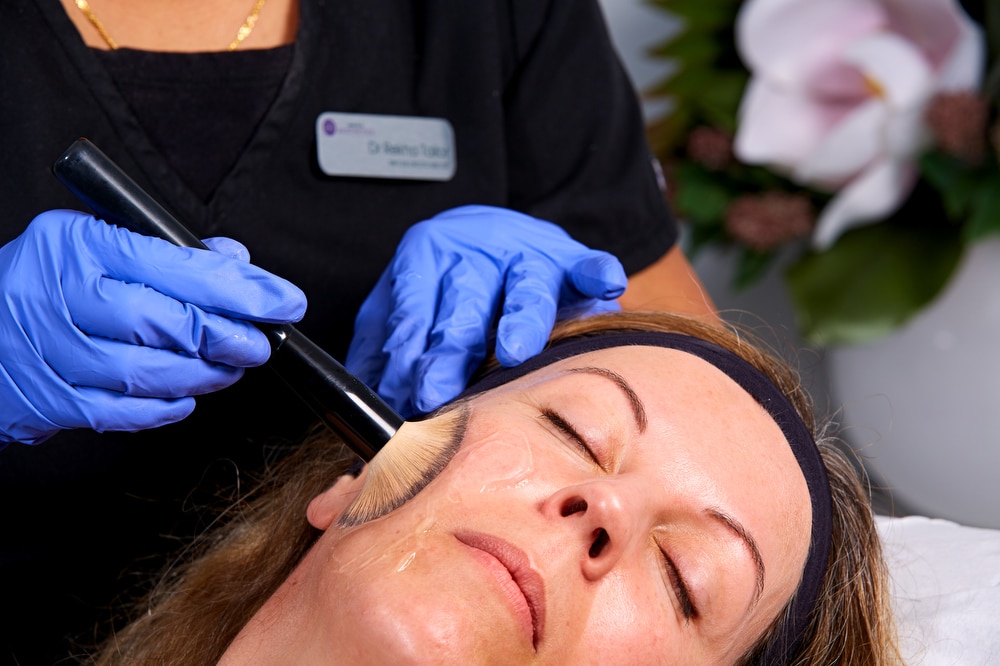
- Chemical peels – to gradually lift pigment and even out tone
- Medical-grade skincare – including tyrosinase inhibitors and vitamin C, to maintain results between treatments
- Skin camouflage – for patients who want an immediate, temporary way to even out their complexion while other treatments take effect
I tailor this combination to your skin type, your triggers and how your skin has responded to anything you have tried before. Melasma is notoriously stubborn in darker skin tones, and treating it too aggressively can make things worse rather than better, so I would always rather go slightly slower and get it right.
Our Consultations
Every consultation is in-depth and built around you. We will look at your skin, talk through your history and likely triggers, and put together a realistic treatment plan with honest expectations about timescale and results.







 4.9/5