Fully Regulated by the Care Quality Commission
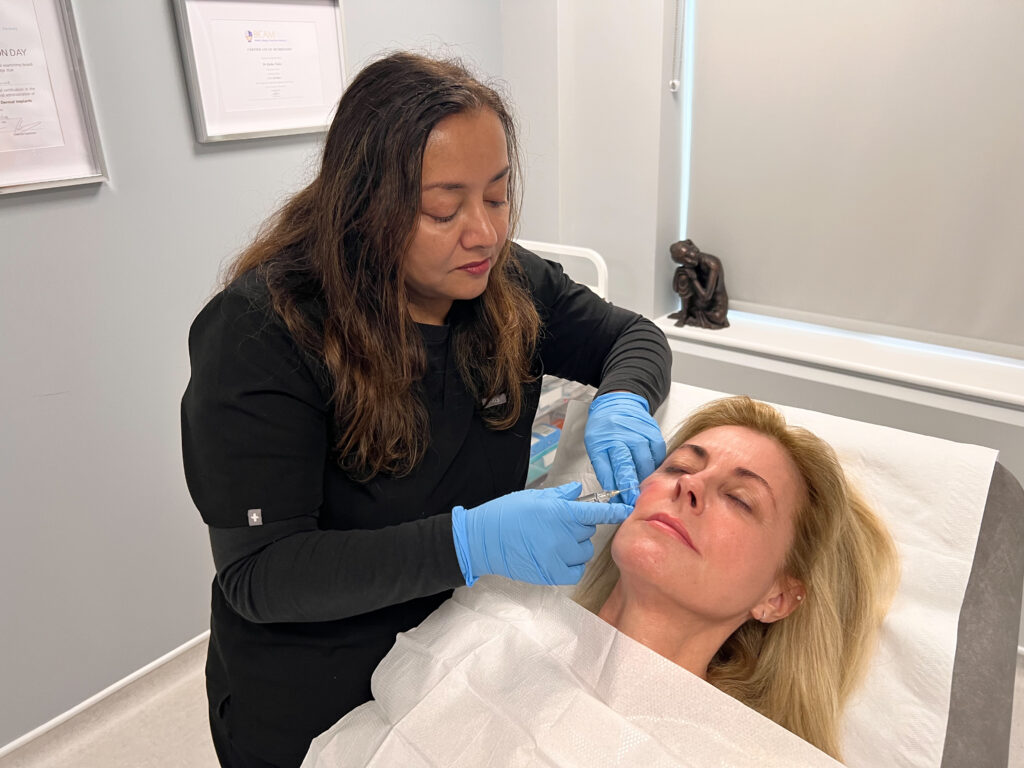
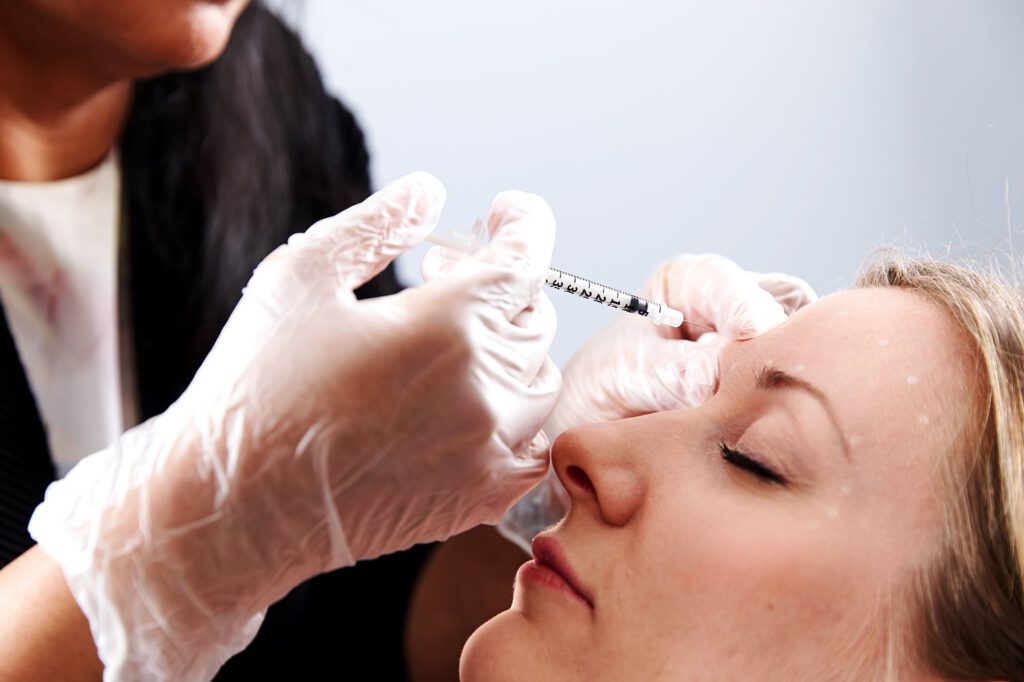
Dr. Rekha Tailor injecting a patient's face
30 mins
DURATION
No anaesthesia required
PRICES
FROM £450

Polynucleotide Treatment

Do you want to rejuvenate your skin and boost your confidence? Then our polynucleotide treatment might be just what you are looking for.

At our multi-award-winning clinic, we are proud to offer injectable skin boosters made from polynucleotide chains. Polynucleotides help to stimulate fibroblasts (cells that help form connective tissues) in the skin, as well as encourage cell growth and turnover, improve elasticity, and hydrate the skin. This can offer you a hydrated and revitalised appearance to improve wrinkles and fine lines, as well as help tackle skin conditions such as rosacea, acne scarring, and hyperpigmentation.


Polynucleotides are one of the more useful additions to aesthetic medicine in the last few years. Most injectables plump, fill or freeze. Polynucleotides do something different: they persuade your own skin to repair and regenerate itself from within. The change builds gradually and looks completely natural, because you are not adding anything artificial, you are encouraging your own tissue to do a better job.

At the clinic I use Plinest, one of the most established and clinically studied polynucleotide products available, for patients who want to improve the quality, texture and resilience of their skin rather than change its shape. It is particularly good under the eyes, on crepey or tired-looking skin, and for anyone whose skin has lost some of its bounce with age, sun exposure or simply time.

30 mins
DURATION
No anaesthesia required
PRICES
FROM £450
4.9/5
Based on 300 reviews
Care Quality Commission
We are regulated by the Care Quality Commission
Dr. Rekha Tailor injecting a patient's face
As seen in:
Good HousekeepingTatlerWomen's HealthVogueDaily MailIndependentBazaar
Jump to:

Overview

Treatment Duration

30 minutes

Anaesthesia

No anaesthesia required

Effective For

Dark circles under the eyes, Dehydrated skin, Rosacea. For those who want to firm and add brightness to the skin. Pigmentation. Bio-stimulation and increase in collagen type 1.

Downtime

Very little with mild swelling and possibly mild bruising. This can be easily concealed with make-up.

No. of Treatments

4 treatments. 2-4 weeks apart.

Price

From £450 - See pricing information

Contraindication

Individuals with a known hypersensitivity to hyaluronic acid. Pregnancy and breastfeeding.

Results

Hydrates, improves lines & wrinkles and lifts.

What are Polynucleotides?
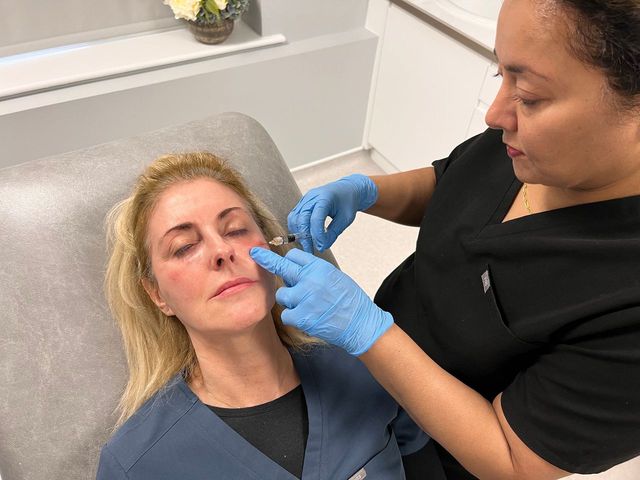
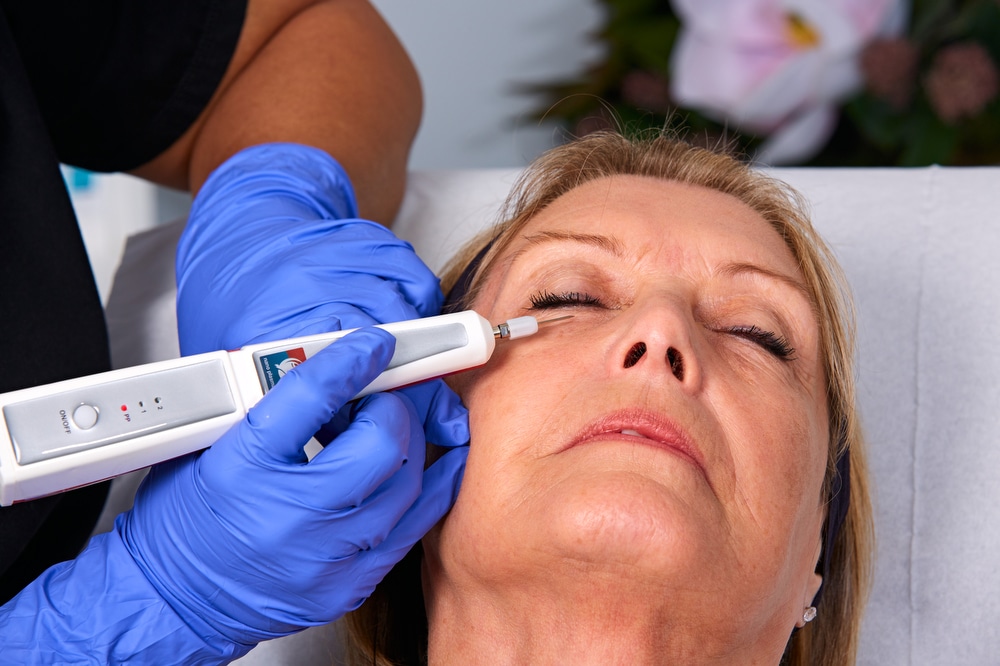
Dr. Rekha Tailor applying Polynucleotides under the eyes to enhance skin elasticity and texture

What Exactly Are Polynucleotides?

Polynucleotides are highly purified fragments of DNA, usually derived from salmon or trout, purified to remove any cellular material so that what is left is biologically compatible with human tissue and unlikely to provoke a reaction. Once injected into the skin, they get to work in several ways at once. They switch on fibroblasts, the cells responsible for producing collagen and elastin. They bind and hold onto water, improving hydration from within. They have antioxidant properties, mopping up some of the free radical damage that drives visible ageing. And they improve local microcirculation, which supports the skin’s own repair processes.

It’s worth being clear about what polynucleotides are not. They are not a dermal filler: they do not add volume, and if what you are looking for is more definition in your cheeks or lips, this isn’t the treatment for that. They are also not the same as Profhilo, although the two are often mentioned in the same breath. Profhilo works through hyaluronic acid and bio-remodelling; polynucleotides work by stimulating fibroblasts directly and have additional anti-inflammatory and antioxidant effects. Both are excellent skin quality treatments. Which one I recommend, or whether I suggest combining them, depends on your skin and what it actually needs.

Why I Always Assess Before I Treat

Polynucleotides are not a prescription-only medicine in the way that botulinum toxin is, but I still treat every course as a proper medical treatment rather than a walk-in beauty procedure, because that is exactly what it is. It goes into the dermis with a needle, it interacts with your biology, and it deserves the same care as anything else I inject.

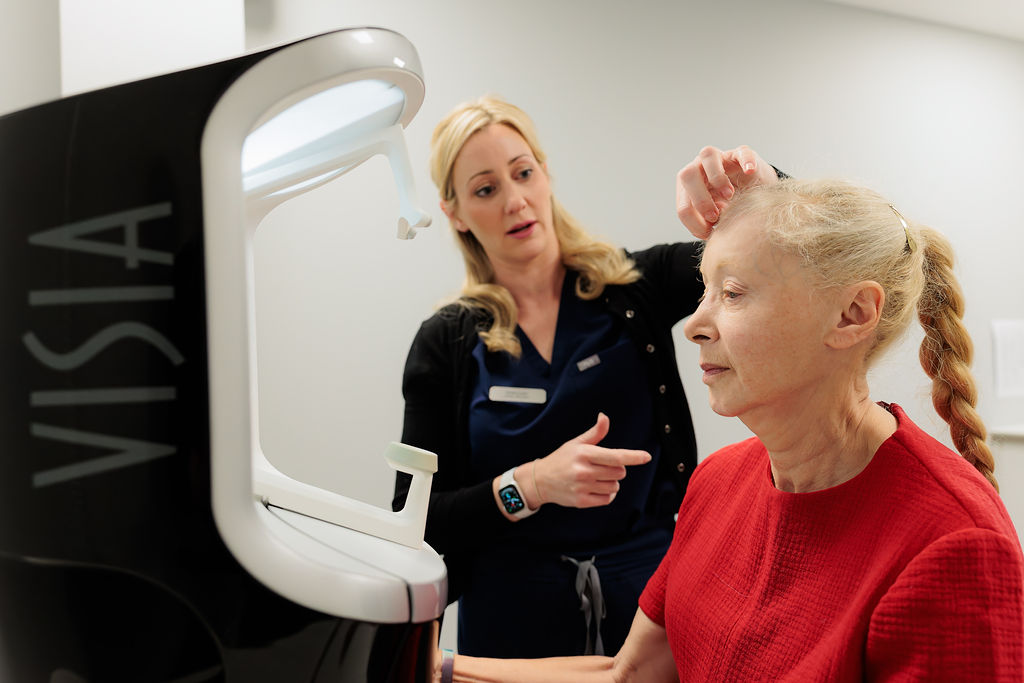
Before I start, I need to understand your medical history, including whether you have any allergy to fish or fish proteins, since that is a genuine contraindication. I need to look properly at your skin: how thin it is, how much elasticity remains, whether crepiness, dark circles or scarring is the main concern. And I need to have an honest conversation about what polynucleotides can realistically do for you, because it is a gradual, cumulative treatment, not an overnight transformation, and I would rather set that expectation clearly at the outset than have you disappointed after one session.

What we cover in your consultation:

  • Your medical history, including any allergies, in particular to fish or fish products
  • A proper assessment of your skin quality, laxity and specific areas of concern
  • An honest conversation about what polynucleotides can and can’t achieve, and how many sessions you’re likely to need
  • Any risks or contraindications specific to you
  • A treatment plan tailored to your skin, not a generic package
  • Consent and aftercare information before we do anything

Where I Use Polynucleotides

Polynucleotides are versatile, and I use them across a number of areas depending on what a patient’s skin actually needs. Here is an honest rundown.

Under-Eye Area

This is where I use polynucleotides most, and where I think they earn their reputation. The skin under the eyes is thin, delicate and often the first place to show tiredness, dark circles and fine crepiness. Dermal filler can help with hollowing, but it does nothing for skin quality, and used carelessly under the eyes it can leave people looking puffy rather than refreshed. Polynucleotides improve the texture and resilience of the skin itself, which is often what patients are actually reacting to when they say they look tired.

Facial Skin Quality

For patients whose main concern isn’t a specific line or fold but a general sense that their skin has lost its glow, thickness or bounce, a course of polynucleotides across the face can make a genuine difference. I see this a lot in patients in their late thirties onwards, and also in younger patients who want to get ahead of the ageing process rather than wait until there’s more to correct.

Neck and Décolletage

The neck and chest are often neglected, but they show sun damage and thinning skin just as readily as the face, sometimes more so. Polynucleotides work well here to improve hydration, crepiness and overall texture.

Acne Scarring

Because polynucleotides stimulate collagen and support tissue repair, they can meaningfully improve the appearance of atrophic acne scarring over a course of treatment. It won’t erase scarring completely, and I’ll always be straightforward with you about what’s achievable, but I have seen real improvement in skin texture in patients who have struggled with this for years.

Hands

Hands age in a way people often forget about until it’s pointed out to them: thinning skin, visible tendons, a crepey texture. Polynucleotides can restore some plumpness and quality here too, and it’s an area I’m asked about more often than you’d think.

Post-Procedure Skin Support

I also use polynucleotides to support skin recovery after other treatments, such as laser resurfacing or more involved procedures, where the skin barrier needs a helping hand to repair itself well.

What to Expect

Consultation first, always

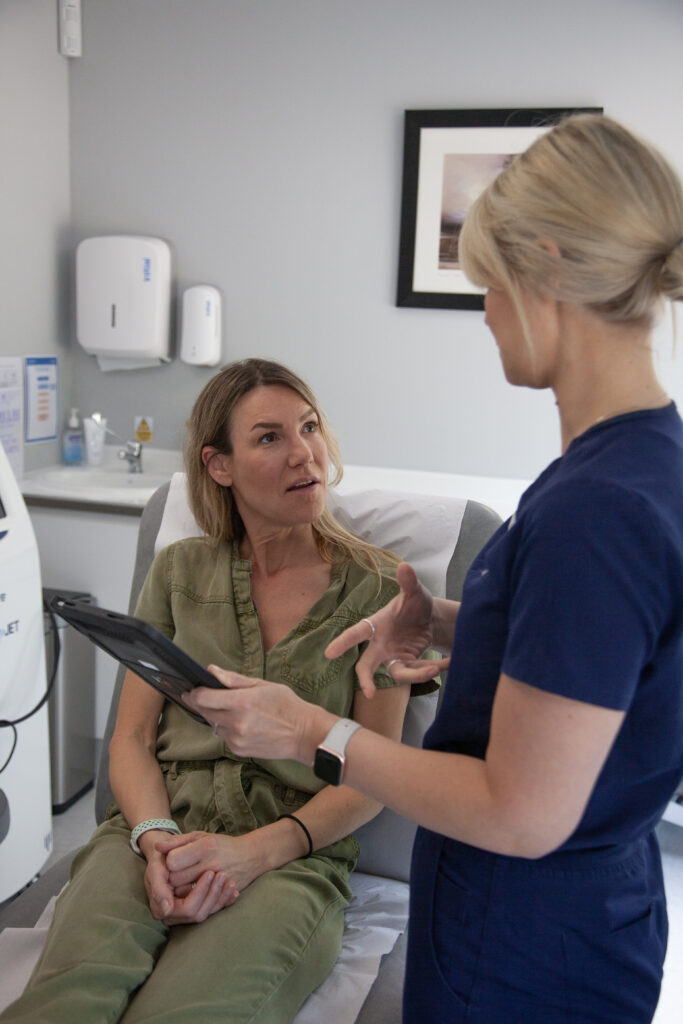
Every new patient has a proper medical consultation before any treatment. I need to understand your history, check for contraindications such as a fish allergy, and assess your skin properly before recommending a plan. That conversation shapes everything that follows.

Assessment and consent

Polynucleotides aren’t a prescription-only medicine, but I don’t treat that as a reason to be any less thorough. We go through full written consent together: what to expect, what the risks are, and how many sessions I think you’ll realistically need.

The treatment itself

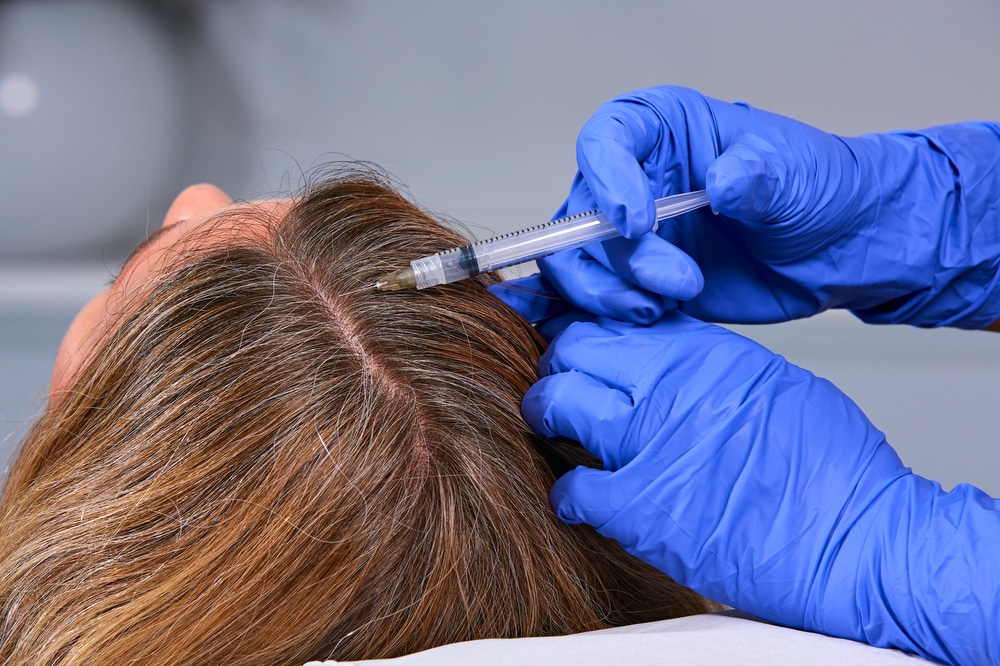
Usually 20 to 30 minutes. I use fine needles to place the product into the dermis across the treatment area. Most patients find it comfortable, and topical numbing cream is used where needed. You can drive yourself home afterwards.

Aftercare

You’ll get written aftercare before you leave. In short: avoid strenuous exercise, alcohol, saunas and direct sun exposure for 24 to 48 hours, and don’t massage the treated area. Mild swelling or small bumps at injection points are normal and settle quickly.

Your course

Polynucleotides work cumulatively, so I recommend a course of four sessions, spaced three to four weeks apart, followed by maintenance roughly every six to nine months. I’ll review your skin at each visit and adjust the plan if needed.

Results: What to Expect and How Long It Lasts

This isn’t a treatment that gives you an instant, dramatic before-and-after, and I’d be doing you a disservice if I told you otherwise. Most patients start to notice a difference in skin texture and hydration from around two to three weeks after their first session, with the fuller effect building over two to three months as collagen production increases.

A full course is normally four sessions, spaced three to four weeks apart. After that, results generally hold for six to nine months, at which point most patients come back for a top-up session to maintain the improvement. Skin that has had more sun damage or is naturally thinner tends to need more frequent maintenance than skin that’s in better condition to begin with.

This does not replace a facelift, because it doesn’t, and anyone who tells you it does is overselling it. What it does very well is improve the underlying quality of your skin, which often makes everything else, including how you age going forward, look better.

Safety, Side Effects and Who It's Not Suitable For

Polynucleotides have a good safety profile when used correctly by someone who knows what they’re doing. The most common side effects are mild swelling, redness or small bumps at the injection sites, which usually settle within a day or two. Occasional bruising happens, as with any injectable.

More significant reactions are uncommon, but because the product is derived from fish DNA, a genuine allergy to fish or fish proteins is an absolute contraindication, and it’s one of the first things I ask about at consultation.

Treatment is not appropriate if you are:

  • Pregnant or breastfeeding
  • Allergic to fish, fish proteins, or any component of the product
  • Dealing with an active skin infection in the area to be treated
  • Living with an autoimmune condition that affects healing (to be discussed individually)
  • Taking anticoagulant medication without medical clearance

If you’re unsure about any of these, mention it when you book. That’s exactly what the consultation is for.

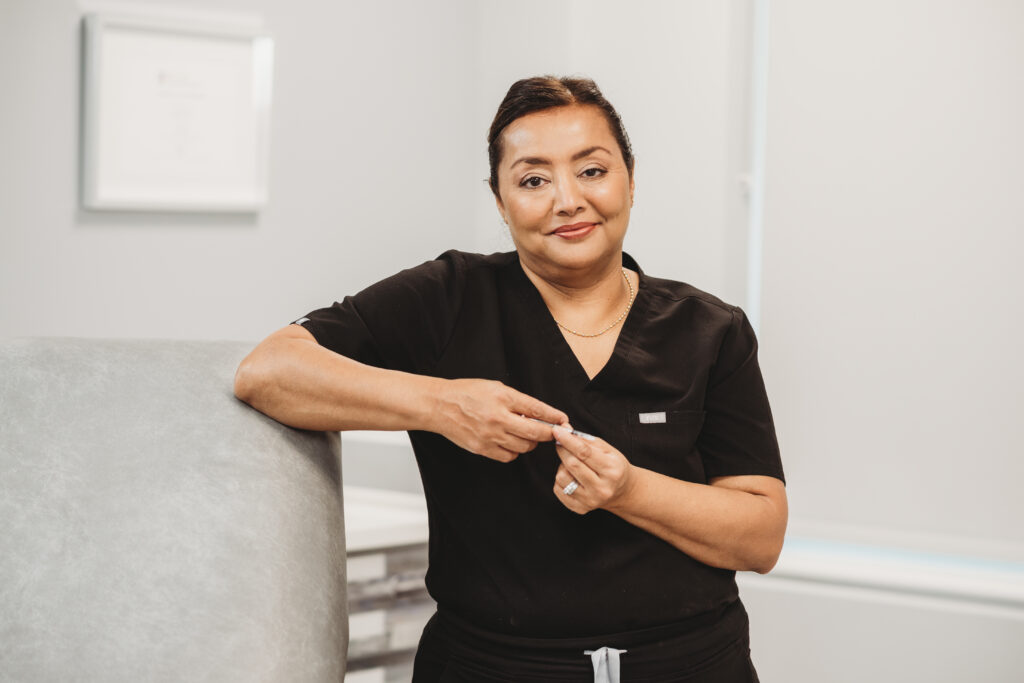
Dr Rekha Tailor, medical director of Health & Aesthetics, in the treatment room

About Me

I qualified as a doctor at Manchester Medical School and spent years working in NHS hospitals and general practice before moving into aesthetics full-time in 2005. That background genuinely shapes how I work, including with newer treatments like polynucleotides.I’m a GP first. I take a proper history, I look for things that don’t add up, and I’m not afraid to tell a patient that a treatment they’ve asked for isn’t the right fit for them. With a regenerative treatment like this, patience and realistic expectations matter more than with almost anything else I offer, and I’d rather explain that honestly than oversell you a quick fix.

All treatments take place at our clinic in Elstead, Godalming, Surrey.

Dr Rekha Tailor

MB ChB, DFFP, DRCOG, MRCGP, MBCAM

Medical Director and Founder

GMC:3314704

Qualified GP, Manchester Medical School

NHS hospital and general practice background

Injecting aesthetic treatments since 2005

MBCAM: British College of Aesthetic Medicine

CQC-registered clinic

Multi award-winning clinic

Pricing

I keep pricing straightforward. The figures below are starting points: the exact cost depends on the area treated and how many sessions your skin needs, which we’ll discuss at consultation. You’ll always know the full cost before we proceed.

Every price includes the initial consultation.

Treatment Price What’s included
Single treatment £450 Consultation + treatment
Course of 4 treatments £1,600 Consultation + 4 treatments
Maintenance session £450 Single top-up treatment

Download our Polynucleotide Treatment Brochure

Interested in learning more? Fill out the form below to receive our brochure straight to your inbox.

"*" indicates required fields

This field is for validation purposes and should be left unchanged.
Health & Aesthetics clinic entrance at Oak House, Tanshire Park, Elstead, Godalming

Why Patients Choose This Clinic

Standards

Doctor-led: Every treatment personally overseen by Dr Rekha Tailor

CQC-registered: View our CQC Record

No same-day injections: New patients are always seen for consultation first

Full consent: Every time, without exception

Recognition

Award-winning: View our Awards

20+ years: Injecting botulinum toxin since 2005

MBCAM: British College of Aesthetic Medicine

ZO Skin Health: Blue Diamond Clinic 2026

Reviews: View our Reviews

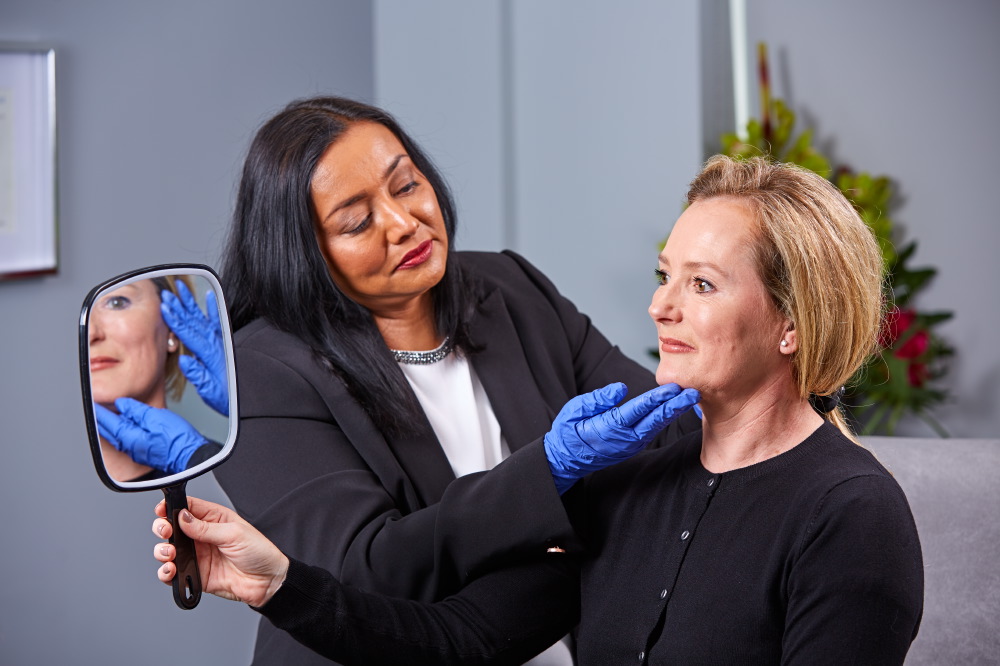
Dr. Rekha Tailor showing the specific areas for Polynucleotide treatment on the patient's face

Ready to take the next step?

Do you think polynucleotide treatments might be the right option for you? We’re here to help. During a consultation, we can learn about your needs, answer any questions, and make sure polynucleotides are the right choice for you.

To learn more about polynucleotide treatments and kick start your journey to the best version of yourself, organise a polynucleotides consultation with a doctor today.

I just feel much happier
I feel like me but on a good day
Results are just phenomenal
The advice and quality of treatments is second to none. I cannot recommend this clinic highly enough . The whole experience from start to finish is professional and caring and any anxiety you may feel will be reassured with an honest approach .
Laura Stokes
9 months ago
Amazing staff and technology! Would highly recommend! 5* I’ve been seeing Alix for treatment of rosacea for 18 months and the change is incredible. She is very knowledgeable and my skin has never looked as good.
Tina Johnson
9 months ago
First time having a hydrofacial treatment and found it a very positive experience, process very well explained and customised to my skin requirements
Sara Spear
9 months ago
Great care & service. My skin has been so much better. Thank you Alex
Cathy Rees
9 months ago
The Staff are very welcoming and more importantly very professional
Rod Hiscock
9 months ago
I have been coming to Health &. Aesthetics for several years. For anyone who wants to slow down the agent process, and have their skin looking the best it can be, I cannot recommend Dr Taylor and her aestheticians highly enough. They are extremely knowledgeable, professional and personable. The hydrofacials leave my skin looking and feeling fantastic. It’s so well worth it.
Davis Sandra
10 months ago
I’ve used Health & Aesthetics Clinic for several different treatments over the last year because they provide such a wonderful service with great care throughout the treatments and then thorough aftercare.The clinic is modern and sophisticated. I’ve been delighted with the results and now feel more confident in my appearance. I would recommend the clinic and the lovely staff.
Andrea Holland
10 months ago
After having ongoing concerns around aging skin losing firmness following weight loss I found doctor taylor. Great advice, lots of options on different treatments available. So far good results and continuing to explore options to improve my skin overall.
Marlies Hoogeboom
10 months ago

FAQs

How long does it take to see results?

You’ll usually notice an improvement in texture and hydration from around two to three weeks after your first session, with the full effect building over two to three months as your own collagen production ramps up. This is a gradual treatment, not an overnight one.

Is it safe?

Yes, when it’s carried out properly by someone trained to do it. The main thing to be aware of is that the product is derived from fish DNA, so a fish allergy is a genuine reason not to have it. I always ask about this at consultation.

Does it hurt?

Most patients find it comfortable. There can be some mild stinging during injection, and occasional swelling or small bumps afterwards, but nothing most people find difficult to manage.

What's the difference between polynucleotides and dermal fillers?

Fillers add volume. Polynucleotides don’t add any volume at all; they work by improving the underlying quality, hydration and resilience of your skin. If you need more structure or contour, you need filler. If your skin looks tired, thin or crepey, polynucleotides are usually the better fit. Sometimes both together make sense, which is something I can discuss at consultation.

How is this different from Profhilo?

Both are excellent skin quality treatments, but they work differently. Profhilo uses concentrated hyaluronic acid to bio-remodel the skin. Polynucleotides work by stimulating fibroblasts directly and bring additional antioxidant and anti-inflammatory effects. I’ll recommend whichever suits your skin best.

How many sessions will I need?

I generally recommend a course of four sessions, spaced two to three weeks apart, followed by maintenance roughly every six to nine months. Some patients need more, depending on how their skin responds.

Can I have it if I'm pregnant?

No, and I won’t treat anyone who is pregnant or breastfeeding. If you’re unsure about timing, mention it when you book.

Is it suitable for under the eyes?

Yes, and it’s one of my favourite uses for it. The skin under the eyes is thin and often the first place to show tiredness, and polynucleotides genuinely improve its quality rather than just disguising the problem.

Can it be combined with other treatments?

Often, yes. I regularly combine polynucleotides with dermal filler, Radiesse wash, anti-wrinkle injections, laser treatments and other energy based treatments as part of a broader plan, depending on what your skin needs. I’ll talk you through the options at consultation rather than selling you a package you don’t need.

Who shouldn't have this treatment?

Anyone who is pregnant or breastfeeding, has an allergy to fish or fish proteins, has an active skin infection in the area, or is on anticoagulant medication without medical clearance. I’ll check all of this properly before treating you.

Our Consultations

Our consultations are in-depth and tailored to you, creating a bespoke treatment plan catering to all of your concerns.

Consultation

Helping you achieve outstanding, natural looking results.